



Many firearm instructors know what they want their business to become, but still struggle to turn that goal into a repeatable process. They try different ads, list classes in different places, and add new offers without a clear sequence for putting everything together.
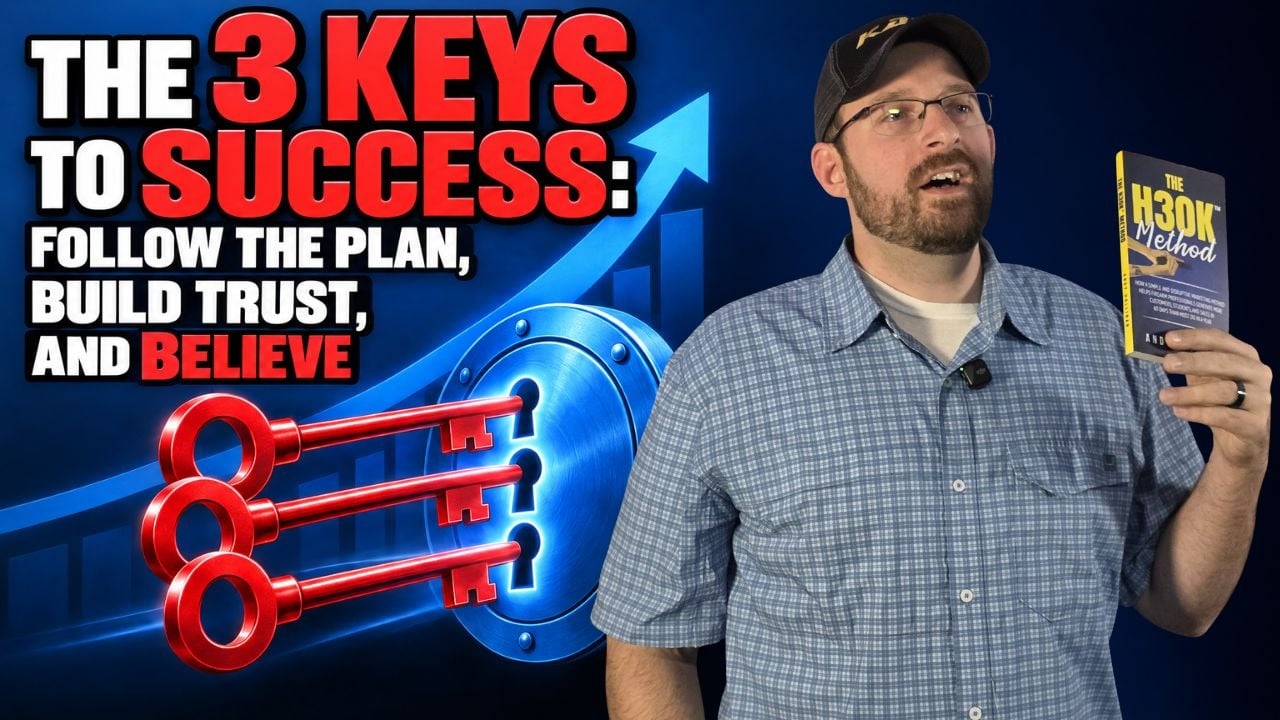
In this coaching call, Andy Hallinan spoke with Tina and Jeff Hopson about the changes they made in their firearms business and the results they reported after implementing a structured plan. Their discussion centered on three keys to success: follow the plan, build trust through the customer experience, and believe in the value of the offer.
Important: The results and figures in this article were shared by participants during the coaching call. They are not guarantees or typical results. Advertising performance, conversion rates, revenue, and business growth vary by market, offer, budget, capacity, and execution.
Key 1: Follow the Plan
The Hopsons said their biggest change was not discovering one secret tactic. It was following a plan without constantly changing it. Before joining the program, they relied largely on word of mouth, class listings on the NRA and USCCA websites, referrals from local gun stores, videos, signs, and experiments with advertising. They still struggled to fill their calendar.
Once they had a process to follow, they defined the class they wanted to offer, watched the instructional videos, set up their customer journey, launched the recommended ad, and worked through the early uncertainty instead of rebuilding the system immediately.
Tina summarized the lesson during the call: watch the videos, follow the steps, and make time to implement them. Jeff added that business owners often try to remake a system before they have given the original process a fair opportunity. The practical takeaway is to establish a defined sequence before adding more tactics.
The Hopson Case Study: From Uncertain Calendar to Consistent Signups
Tina and Jeff Hopson operate a firearms business where they teach classes together, and Jeff also manufactures projectiles and ammunition commercially. They told the group that they had trained approximately 1,500 students over seven or eight years, but had struggled to fill classes consistently.
After outlining a New Shooter Accelerator class and launching a Facebook ad, they said signups began to arrive after the initial learning period. Their first class was on September 24, and they reported that 33 students had attended within less than 30 days of launching the ads. They also reported selling nine larger training packages from those 33 students, which Andy calculated as a 27% conversion rate.
The package was referred to during the call as the Citizen Defender package and was priced at about $1,000. These are the Hopsons’ reported results from the call, not an independent performance study. The larger lesson was that they created a clear next step for students instead of simply telling people that other classes existed.
Give the Advertising System Time to Learn
The call also addressed the uncomfortable first days of a new Facebook campaign. Tina described worrying after spending more than $120 without immediate results. Jeff said they began at approximately $25 per day, later increasing to about $40 per day as they expanded their outreach.
The coaching discussion emphasized that ad systems need data before they can identify the right audience. The Hopsons said it took roughly three days for their campaign to begin generating class requests, and that restarting the ads after a pause also required another period of learning.
This does not mean every campaign will work after three days, or that a specific budget will produce a particular result. It means you should define a reasonable test period, track signups and cost per acquisition, and avoid judging a campaign from a few hours of data. If you pause or change everything too quickly, you may never learn whether the original setup could improve.
Key 2: Build Trust Through the Experience
The second key is trust. The call described a three-part customer journey: pack the house, give an excellent experience, and make an invitation to the next appropriate step.
- Pack the house by creating a clear introductory offer and using a trackable way to generate registrations.
- Give students an experience led by a host, not just a technical information dump. Make the class organized, welcoming, and memorable.
- Make an invitation that helps students understand what they can do next and why that next step matters.
Andy explained that students may not remember every technical detail from a first class, but they will remember how the experience made them feel and whether they trusted the people who guided them. That trust is what makes a later invitation feel like a helpful next step rather than a pressure-filled sales pitch.
The Invitation Works When the Value Is Clear
The Hopsons initially hesitated over the price of their larger package because they were comparing it with a basic pistol lesson priced around $125. They questioned why anyone would pay more for a multi-session program.
Their perspective changed when they mapped out exactly what the package included and how the student would progress through the experience. Tina said they began to believe that students were receiving substantial value. Jeff described the turning point as becoming convinced that the offer genuinely helped the customer and was worth the money.
The lesson is not to choose a price simply because another business uses it. Build the offer first. Define what students receive, how the sessions fit together, what support is included, and what outcome the experience is designed to help them pursue. Then communicate that value with confidence and accuracy.
Key 3: Believe in What You Offer
The third key is belief. Andy described sales as a meeting between the business owner’s belief and the customer’s belief. When an instructor genuinely believes that the service can improve the customer’s life, and communicates that belief through a trustworthy experience, the customer has a reason to say yes.
The Hopsons said their first invitation was difficult because they did not yet believe in their own package. Once they understood the value and became comfortable explaining it, they stopped being surprised when students accepted. They were able to present the offer as a logical next step for students who had enjoyed the class and wanted to continue.
Belief should not mean exaggerating results or making promises. It means knowing what your offer includes, knowing who it is designed to help, and being honest about the value and limitations. Trust grows when your confidence is supported by a clear process and a real student experience.
Create a Clear Path After the First Class
One of the Hopsons’ earlier problems was follow-through. They told students that other classes were available, but did not provide a specific path. After implementing the new process, they created a multi-session package, scheduled the sessions, and planned how to handle missed classes.
Their first group was scheduled across a seven-week period. They discussed a catch-up Saturday so students who missed a session could make it up without waiting for the next full round. They also considered their outdoor range, seasonal daylight, weather, and the practical schedule that would make the program manageable.
A customer journey becomes easier to complete when the next appointment, schedule, and expectations are clear. Instead of asking students to remember to contact you later, give them a simple path to continue while the experience is still fresh.
Use Automation to Protect the Customer Experience
The call included a practical discussion of forms and automation. Tina created an information form to collect details that were not included in class registration, along with a release form and questions related to age and eligibility. The forms were connected to the contact record so the information could be found in one place.
The Hopsons used QR codes so students could complete the information form when they arrived, while keeping the release process tied to the actual class. They also described an automation that attached the completed forms to the contact record and sent a copy to the team.
The coaching point was to separate useful administrative automation from unnecessary paid messages. Test every workflow before launching it, make sure legal forms are reviewed for your jurisdiction, and only collect or request information that your business genuinely needs. A well-designed process reduces paperwork and lets the team focus more attention on students.
Ask for Reviews at the Right Time
Andy recommended triggering a review request after the class rather than asking too early. His example was a short wait after the expected end of the experience, giving the student time to get home and reflect before receiving a request for feedback.
The Hopsons said their system already sent a review request after class, and that students were leaving Google reviews. The principle is simple, ask while the experience is recent, but make sure the request is honest and does not pressure students to provide a particular rating.
Tell Your Own Story
Jeff also emphasized the importance of having a personal story. He explained that his and Tina’s path into firearms began with a threat against their family. That background helped them explain why the work mattered to them and why they cared about helping other people learn.
Your story does not need to look like anyone else’s. It should explain why you entered the firearm industry, what problem you saw, and why you continue serving students. A personal story can make your marketing more relatable, but it should remain authentic and should never rely on fear, exaggeration, or claims you cannot support.
Use Public Safety Messaging Responsibly
The group also discussed how firearm businesses respond to current events involving public safety. The coaching call cautioned against putting a recent tragedy in the headline or image of a paid advertisement, because that can look like the business is trying to capitalize on the event.
A more responsible approach is to discuss the general topic of personal safety through educational organic content, without exploiting a specific victim or using a tragedy as a direct sales hook. The call suggested focusing on public safety, preparedness, and the responsibility individuals have for their own training, then keeping a paid advertisement focused on the class and the problem it solves.
Measure the Process, Not Just the Outcome
The Hopsons’ reported results were possible to discuss because they tracked the steps in the process. They knew how many students attended, how many accepted the larger package, what they were spending on ads, and how their campaign changed after a pause.
Your own scorecard might include:
- Number of leads and registrations
- Cost per signup
- Attendance rate
- Percentage of students who accept the next invitation
- Revenue per introductory class
- Number of returning students
- Review requests sent and reviews received
- Time saved through forms and automation
These numbers help you identify the actual constraint. If nobody sees the offer, improve reach. If people register but do not attend, improve follow-up. If students enjoy the class but do not continue, improve the experience and the invitation. If the offer converts but delivery is difficult, improve scheduling and capacity.
A Practical Implementation Checklist
The coaching call ended with a simple implementation message. If you want to apply the same framework to your firearm business, start with these steps:
- Watch the onboarding and educational materials that explain the process.
- Write down the introductory class, the experience you want students to have, and the next offer you will invite them to consider.
- Use the recommended plan consistently long enough to measure it before making major changes.
- Give your team the same information so that everyone understands the offer and the student journey.
- Set up forms, contact records, scheduling, and follow-up before the class fills.
- Track cost per signup, attendance, package acceptance, and returning students.
- Write your own authentic story and practice explaining why the offer matters.
- Build genuine belief by making sure the package delivers real, clearly communicated value.
The three keys work together. Following the plan creates consistency. A strong experience creates trust. Belief gives you the confidence to make a clear invitation. Remove any one of the three and the process becomes harder to repeat.
Watch the Full Coaching Call
Watch the full coaching call above for the complete conversation with Tina and Jeff Hopson, including their implementation process, Facebook advertising timeline, New Shooter Accelerator results, automation ideas, review follow-up, personal story, and the three keys they credited for their progress.






Leave a Reply