



This post breaks down real Facebook ads created by people in the group. These are not made-up examples. These are real ads that were shown and discussed on the call.
The goal of this post is to show what works and why it works, using real ads instead of ideas.
Why Real Examples Matter
It is easy to understand ideas when someone explains them.
It is easier when you see them used in real ads.
When you see real ads from real people, it becomes clear what you should copy and what you should avoid.
These examples show how to:
call out the right person
keep attention
follow Facebook rules
get clicks
The Suppressor Checklist Ad Example
One example shown was a suppressor checklist ad.
The product itself is not allowed to be sold directly on Facebook.
So the ad does not sell the suppressor.
The ad offers information.
The visual in the ad shows a suppressor clearly on the screen.
Even without sound, people know who the ad is for.
The words in the ad talk about:
big changes in suppressor ownership
making the process easier
downloading a free checklist
The ad never says “buy a suppressor.”
The ad only asks people to click and download the checklist.
This keeps the ad compliant and still attracts buyers.
Why This Ad Works
People who download a suppressor checklist want a suppressor.
The checklist filters out people who do not care.
Only the right people click.
That is why this ad works.
The ad gets the click.
The funnel does the selling.
Shawnee’s Women’s Training Ad Example
Another example shown was Shawnee’s ad.
This ad was for women’s firearm training.
The call-out in the ad starts with “fellas.”
That tells people right away who the ad is for.
If you are not a man with a wife or girlfriend, you scroll past.
That is good.
Using If-Then Statements
Shawnee’s ad uses an if-then style.
If you have been trying to get your wife or girlfriend to learn how to shoot, then this is for you.
This helps Facebook show the ad to the right people.
It also keeps the wrong people from engaging.
That improves performance.
Unexpected Moments Keep Attention
This ad also uses unexpected moments.
Unexpected moments make people stop scrolling.
Examples include:
jokes people do not expect
sudden changes in tone
funny or surprising comments
When something unexpected happens, people pay attention.
That keeps them watching longer.
Longer watching tells Facebook the ad is interesting.
Matching The Messenger To The Message
This ad works because the right person is delivering the message.
A woman is talking about women’s training.
That builds trust.
If a man was explaining women-only training, it would not feel right.
People trust ads more when the speaker matches the offer.
Speaking Like Your Audience
The way Shawnee talks matches her audience.
She uses language her people understand.
She speaks the way her community speaks.
That connection matters.
People listen longer when they feel understood.
Using Location As A Call-Out
Another example discussed was using location in ads.
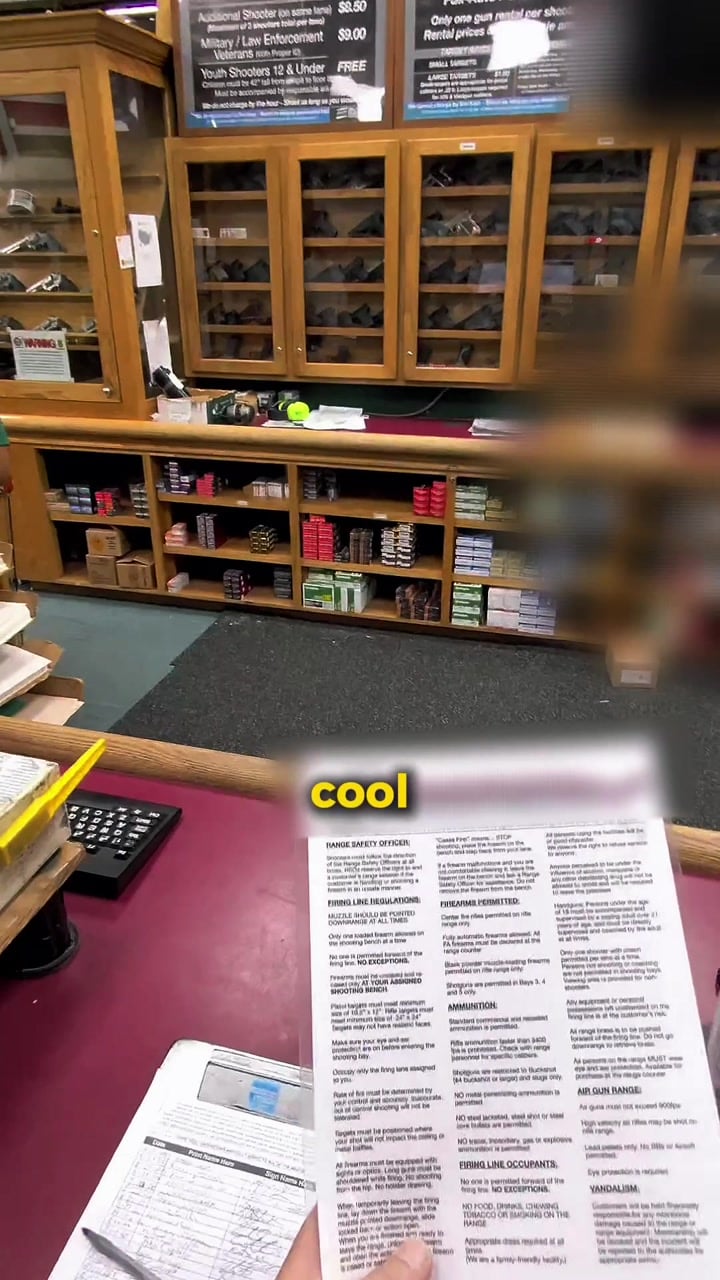
When ads are filmed in recognizable places, local people notice.
If someone sees their town, street, or downtown area, they stop scrolling.
They know the ad is for them.
This works well for:
local ranges
local events
local training
Location can be a call-out without saying a word.
Visual Call-Outs Matter
Call-outs do not always have to be spoken.
They can be visual.
Examples include:
firearms on screen
range environments
bright clothing
movement
Moving visuals get more attention than still images.
That is why video ads usually work better.
What These Ads All Have In Common
Every example shown shares the same basics.
They all:
call out the right person
offer something clear
tell people what to do
avoid selling in the ad
They are simple.
They are clear.
They do not try to do too much.
Final Takeaway
You do not need perfect ads.
You need clear ads.
Use real language. Use real people. Use real examples.
Call out the right person. Give them a reason to care. Tell them to click.
That is what these real ads show.





Leave a Reply